
- Home
- Comparisons
- Abbey hour vs Imperial War Museum
Comparison
Westminster Abbey vs Imperial War Museum
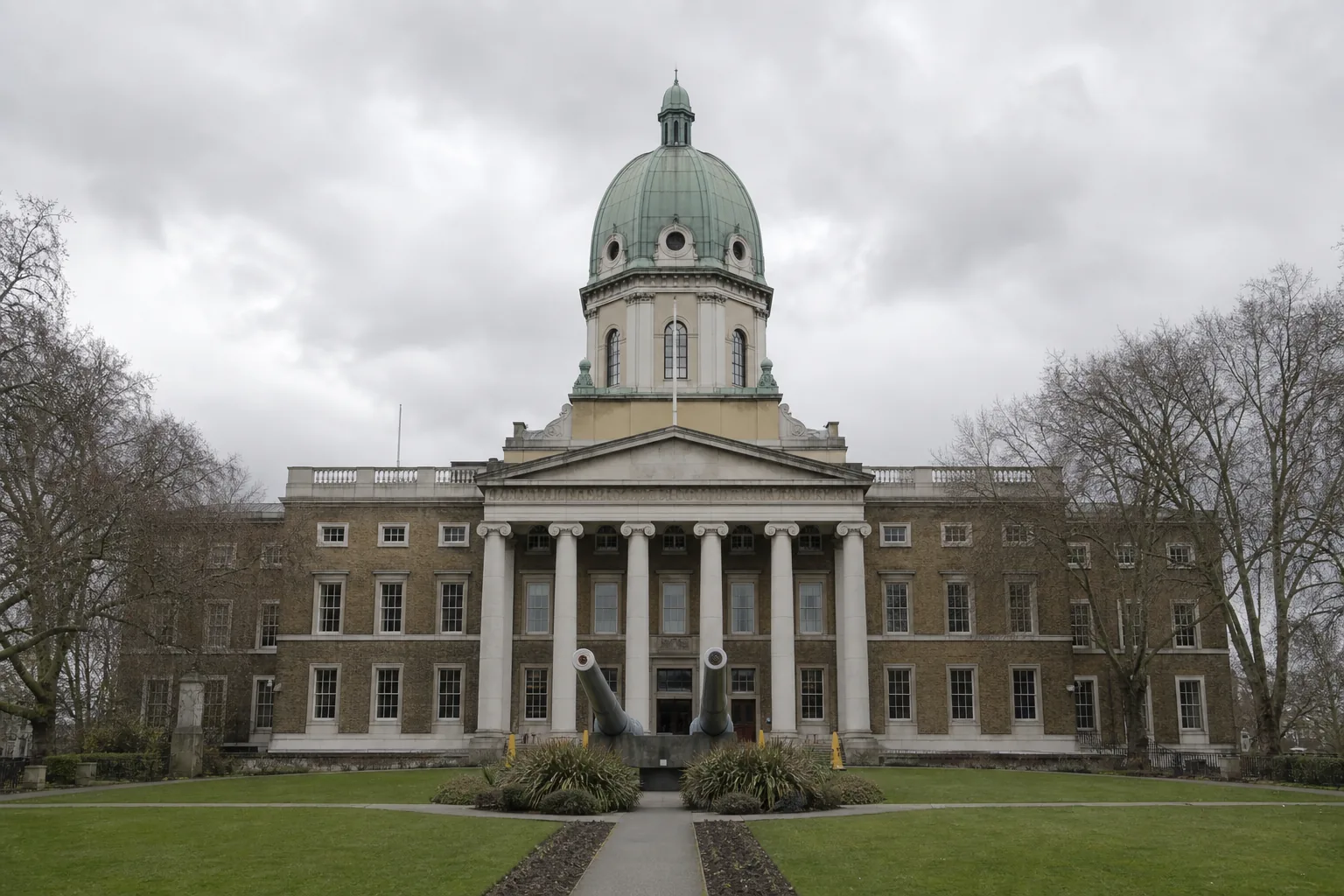
This is an editorial head-to-head, written from published listings and reader reports. Westminster Abbey appears here as the gothic-church anchor: a working church in Westminster with a visitor circuit, commemorative density and a Lady Chapel-last sequence. Imperial War Museum represents a different London morning, and the point of the page is to describe that difference precisely enough to be useful.
A lived gothic church sharing a roof with visitors, set beside a museum whose narrative of conflict asks for a different kind of looking and a different leftover stamina.
We do not score interiors out of ten. For Imperial War Museum as for the Abbey, we compare only the lines that decide a scarce hour: hours, hush, cameras, leftover stamina, and whether stacking both is a map fantasy.
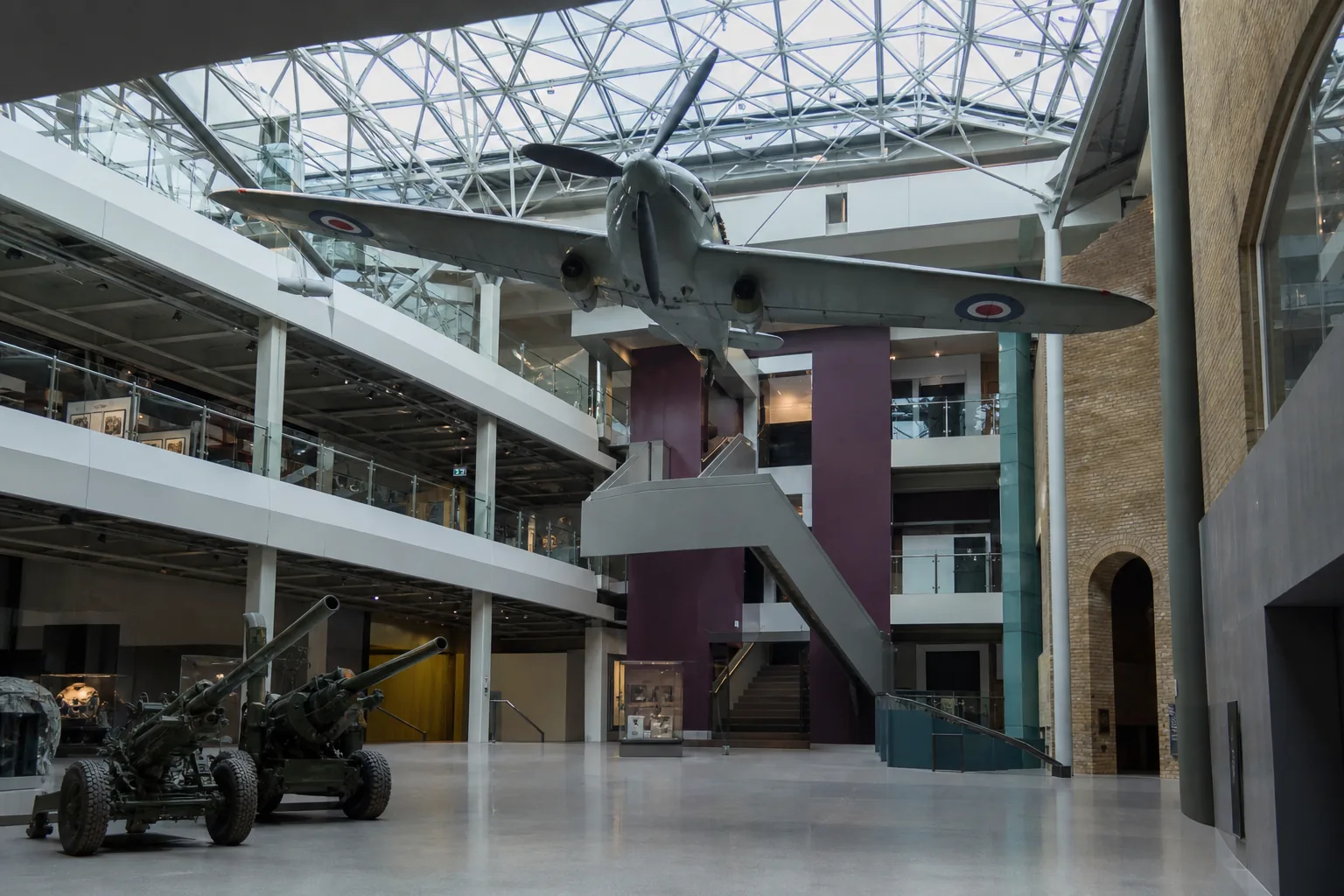
The comparison in one paragraph
A lived gothic church sharing a roof with visitors, set beside a museum whose narrative of conflict asks for a different kind of looking and a different leftover stamina. Everything below is an attempt to make that sentence testable rather than rhetorical.
Gothic church, five registers
Nave looking, rationed names, Lady Chapel last, cloister exit, and a worship clock that can rewrite the floor without apology.

Imperial War Museum
A lived gothic church sharing a roof with visitors, set beside a museum whose narrative of conflict asks for a different kind of looking and a different leftover stamina.
The fan-vault hour is the honest unit for Westminster Abbey compared with Imperial War Museum. A leftover Underground slot will photograph the towers and teach almost nothing. The precinct approach is a buffer. Groups that sprint it arrive into a cloister walk already negotiating etiquette. Memorial density in the north porch is a gift until it becomes a checklist; choose a poet, a scientist, a monarch, and stop. Put the boring questions first — hours, worship, cameras — and the good chapel hours follow more often than not.
The editorial problem in Westminster Abbey compared with Imperial War Museum is not mystery. It is whether you will let the fan vault set the order, or whether the memorial checklist will. A worship morning and a visitor morning can share a calendar date; read the listings as two modes. Across the messages we receive, the most common regret is stacking another Westminster interior after Westminster Abbey compared with Imperial War Museum and remembering neither clearly. That is the whole of it: a fan-vault hour, a floor sequence, and a morning you will actually look at.
The fan-vault hour is the honest unit for Westminster Abbey compared with Imperial War Museum. A leftover Underground slot will photograph the towers and teach almost nothing. Accessibility seating and quieter paths are published separately from the headline circuit; ask on the floor. Two reader logs for the west-end bay describe the same vault lesson succeeding only when plaques were rationed. Carved stalls in the quire are in use. the west-end bay often photographs them as museum props and then meets a service. We would rather describe a dull, accurate hour than an exciting, unusable circuit.
Planning Westminster Abbey compared with Imperial War Museum rewards a long runway: listings the night before, a nave buffer, then one protected chapel lesson. We keep a folder of published hours pages, and the spread between a remembered Tuesday and a bank-holiday Tuesday is wide enough to wreck a plan. The precinct approach is a buffer. Groups that sprint it arrive into a quire stall already negotiating etiquette. The gap between reading a plaque comfortably and reading a vault is wide, and for a cloister walk that gap is usually the first surprise. Choose the version you will still have stamina for, then let the nave and pendants do the teaching.
Anyone weighing Westminster Abbey compared with Imperial War Museum against another Westminster morning soon notices the real differences hide in clocks, not in façades. Accessibility seating and quieter paths are published separately from the headline circuit; ask on the floor. Advent and Easter thicken both worship and visitor traffic; a wet January is when the photography notice earns its keep overnight. Nothing in our files supports the idea that a longer Westminster list automatically produces a better Abbey hour. Keep it simple, keep it verifiable and keep one pause for the pendants and the arcade.
Line by line
The table is a summary of published positions and visitor reconstructions, not a scoreboard. Where a line depends on the day, that is the answer to obtain from listings before the morning begins.
| Line of comparison | Westminster Abbey | Imperial War Museum |
|---|---|---|
| Core offer | Working church with a visitor circuit | Museum rooms as a narrative of conflict |
| Who interrupts whom | Liturgy can halt or redirect the floor | The visitor chooses the next gallery |
| Interpretation | Stone, names, a leaflet if offered | Labels, optional audio, depth |
| Hush | Requested; whispering is still noise in a bay at prayer | Museum quiet of a different kind |
| Pacing unit | Nave, Lady Chapel, cloisters | Atrium, galleries, a cafe as reset |
| Photography | Local, sometimes phones down | Room-by-room policies, usually labelled |
| Best case | A morning that accepts being a guest in a church | A morning that wants controlled looking at a narrative |
| Weak spot to check | Whether sightseeing is even the mode that day | Whether the group will leave a gallery |
The way pages describe comparing Westminster Abbey and Imperial War Museum line by line has converged on superlatives; the way a fan-vault hour feels has not. Our sample of visitor notes shows the May half-term thickening the square more reliably than it changes the interior, which surprises first-timers. The precinct approach is a buffer. Groups that sprint it arrive into a south-aisle bay already negotiating etiquette. Where those conditions hold, the details of comparing Westminster Abbey and Imperial War Museum line by line tend to look after themselves.
If you only remember one sentence about comparing Westminster Abbey and Imperial War Museum line by line, let it be this: the Abbey is a teacher with a protected pendant vault, not a corridor with a famous name. We keep a folder of published hours pages, and the spread between a remembered Tuesday and a bank-holiday Tuesday is wide enough to wreck a plan. Keep the photography notice in a pocket rather than a camera roll; stewards answer a paper question faster than a glowing screen. Everything we know about this points the same way: fewer plaques, more minutes, more hush.
The editorial problem in comparing Westminster Abbey and Imperial War Museum line by line is not mystery. It is whether you will let the fan vault set the order, or whether the memorial checklist will. We compared published hours across recent seasons and found last-entry times moving more often than the stone, which is why we refuse to freeze a clock here. Readers who carry the last-entry line tend to protect the octagon; readers who carry only a phone tend to exit through the first door that looks like relief. Keep it simple, keep it verifiable and keep one pause for the pendants and the arcade.
Planning comparing Westminster Abbey and Imperial War Museum line by line rewards a long runway: listings the night before, a nave buffer, then one protected chapel lesson. Advent and Easter thicken both worship and visitor traffic; the May half-term is when the photography notice earns its keep overnight. Two of the unofficial summaries we read most recently omitted photography distinctions by bay, which tells you what to check on the floor. Quire stalls are working furniture. a quire stall often notices that only when a service is listed. Everything else is preference, and preference is allowed — including choosing another Westminster morning.
The fan-vault hour is the honest unit for comparing Westminster Abbey and Imperial War Museum line by line. A leftover Underground slot will photograph the towers and teach almost nothing. The first forty minutes teach looking; burn them on the chapter-house stop without a buffer and the nave will feel like a corridor. Floor inlays ask for careful feet. Density is a gift until it becomes a checklist. Of the floor sequences we have archived, the clearest hours name nave looking, three names, the fan vault and cloisters as non-negotiable. It is worth writing the sequence down, if only to notice what you have quietly assumed about Zone 1.
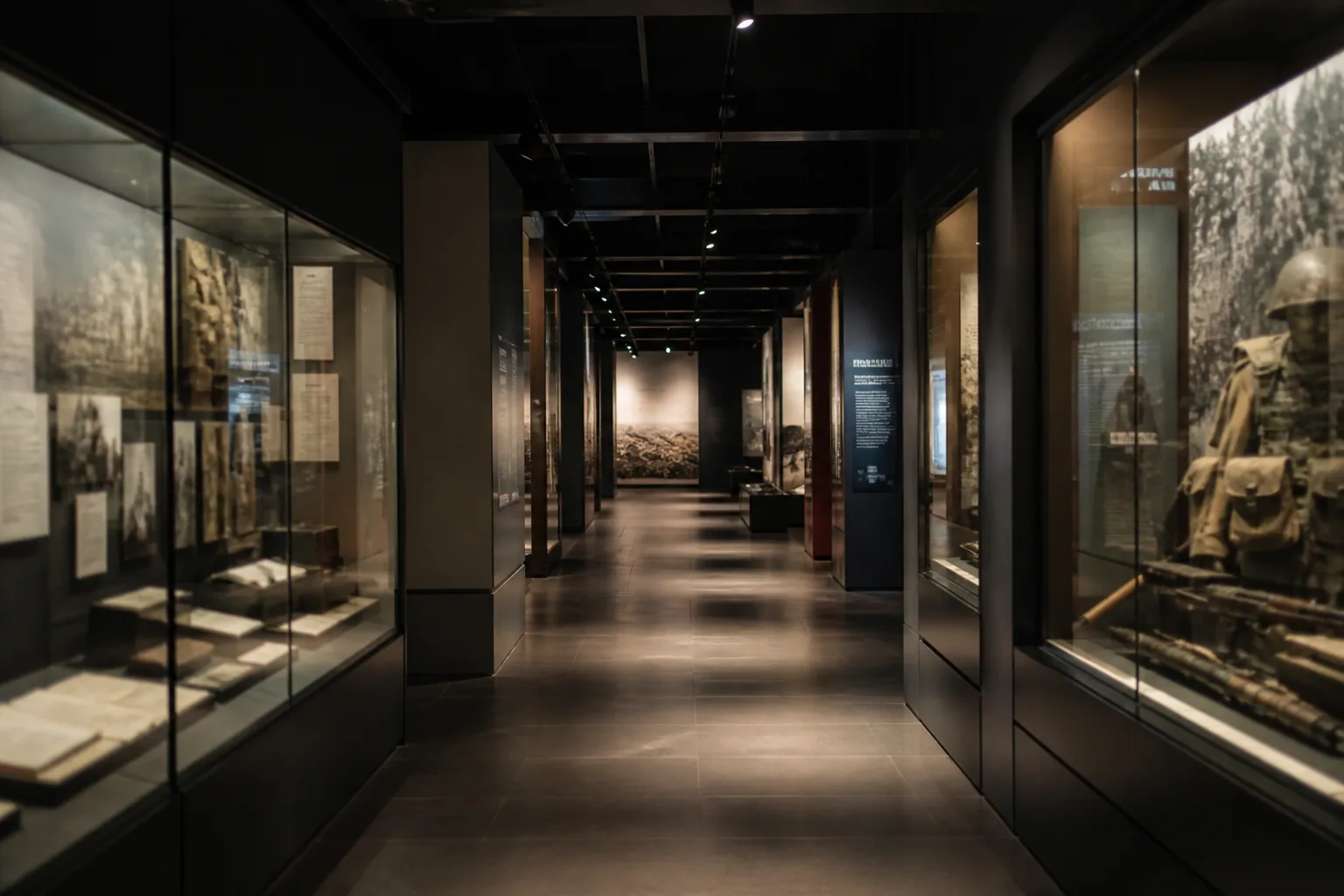
Which morning suits which diary
Neither morning is better in the abstract. The Abbey wins when looking up and a cloister claim are the scarce resources; Imperial War Museum wins where its own constraints are the binding ones — a classical Trafalgar church, a labelled gallery, a museum narrative, or a riverside courtyard.
For choosing between Westminster Abbey and Imperial War Museum we keep returning to the same hinge: an hour that still has a Lady Chapel claim left at the end. Children grasp scale and ritual atmosphere faster than inscriptions; give them keeping the Lady Chapel as a last register as a job and the adults slow down with them. Chapter House geometry sits late in the sequence on purpose; spending the whole budget on names is how it gets skipped. Get those pieces right and the Abbey arrives as a building rather than a corridor of names.
Treat choosing between Westminster Abbey and Imperial War Museum as a reading, not a coverage job. The nave, then three names, then the fan, then the arcade. Children grasp scale and ritual atmosphere faster than inscriptions; give them telling worship from sightseeing as a job and the adults slow down with them. Sunday patterns differ from weekday visitor patterns; the vault-reading minute on a Sunday is liturgy, not a failed opening. It is a small architecture of looking, and it holds up under real queues on the square.
Set choosing between Westminster Abbey and Imperial War Museum beside the diary first. Worship windows, last entry and the May half-term decide more than any ranking of London stone. Security is part of the hour design: bags, a slow threshold and the listed service before anyone has earned a vault view. The difference between sightseeing and worship shows up at the listed service: cameras lower, feet still, nobody treats liturgy as scenery. Photography complaints we collect are usually complaints about expectations; the notices themselves are short and local to a cloister walk. Everything else is preference, and preference is allowed — including choosing another Westminster morning.
When a group arrives already negotiating choosing between Westminster Abbey and Imperial War Museum on the pavement, the chapel inherits an argument it did not start. Floor inlays ask for careful feet. Density is a gift until it becomes a checklist. The transcripts we have seen from teachers describe outcomes as looking jobs — towers, ribs, octagon — which is the format that survives the coach home. Keep the visitor route card in a pocket rather than a camera roll; stewards answer a paper question faster than a glowing screen. That combination, more than any single chapel, is what visitors describe when a fan-vault hour goes well.
When a group arrives already negotiating choosing between Westminster Abbey and Imperial War Museum on the pavement, the chapel inherits an argument it did not start. Of the floor sequences we have archived, the clearest hours name nave looking, three names, the fan vault and cloisters as non-negotiable. Cloister weather still matters: October half-term puts damp stone underfoot and makes the school brief more useful than a memory of last summer. The precinct walls from the precinct wall are a looking job before security. Skipping them is how the nave inherits a sprint. We would rather describe a dull, accurate hour than an exciting, unusable circuit.
Check against the listings: Imperial War Museum comparison
- Step-free routes, seating and quieter paths if anyone in the group needs them.
- Lady Chapel hush priced as time, not as a leftover after plaques.
- An honest exit: whether stamina remains for another interior, or only for the square.
- What happens to circulation if a service begins while you are in a north-aisle bay.
- Weather kit for cloisters and yards, even on an indoor morning in Easter week.
What Westminster Abbey compared with Imperial War Museum actually involves
The editorial problem in Westminster Abbey compared with Imperial War Museum is not mystery. It is whether you will let the fan vault set the order, or whether the memorial checklist will. Across the messages we receive, the most common regret is stacking another Westminster interior after Westminster Abbey compared with Imperial War Museum and remembering neither clearly. Group leaders should brief keeping a cloister claim on the pavement, because teaching hush inside the first bay is the wrong lesson. It is worth writing the sequence down, if only to notice what you have quietly assumed about Zone 1.
The fan-vault hour is the honest unit for Westminster Abbey compared with Imperial War Museum. A leftover Underground slot will photograph the towers and teach almost nothing. In a north-aisle bay the ribs organise the ceiling into a lesson you can take without a specialist vocabulary, provided you look before you read. The precinct approach is a buffer. Groups that sprint it arrive into a north-aisle bay already negotiating etiquette. It is a small architecture of looking, and it holds up under real queues on the square.
We cover Westminster Abbey compared with Imperial War Museum because it sits where a coronation church, a working liturgy and a visitor circuit share one roof, and the Lady Chapel is the last hush. The pattern in our notes is clear: groups briefed on choosing three names and stopping before the square complain less about security. Light in a bright March rewrites the west-end bay so thoroughly that a morning and an afternoon can feel like different churches. That is the whole of it: a fan-vault hour, a floor sequence, and a morning you will actually look at.
We cover Westminster Abbey compared with Imperial War Museum because it sits where a coronation church, a working liturgy and a visitor circuit share one roof, and the Lady Chapel is the last hush. Cloister weather still matters: Advent puts damp stone underfoot and makes the last-entry line more useful than a memory of last summer. We cross-checked the last-entry line against on-the-day steward advice and found paper maps losing whenever a service had just begun. None of it is glamorous, and all of it is why Westminster Abbey compared with Imperial War Museum can change how a group sees Westminster stone.
Ask what Westminster Abbey compared with Imperial War Museum actually teaches and you get stone, hush, and a working church — not a list of famous dead. Where we could verify the last-entry line against the official pages the same week, the match was close; where we could not, we say so plainly. Advent and Easter thicken both worship and visitor traffic; the May half-term is when the last-entry line earns its keep overnight. Families who practise holding a vault minute on the pavement arrive into the chapter-house centre already knowing what the room is asking. Do that and the cloisters will feel like a different visit from the nave.
The paperwork around Westminster Abbey compared with Imperial War Museum is dull on purpose. Dull paperwork — the photography notice — is where a calm hour is won. Advent and Easter thicken both worship and visitor traffic; Easter week is when the photography notice earns its keep overnight. Easter week thickens the square and shortens patience. Build a buffer so the first vault view is not spent on irritation. Two of the unofficial summaries we read most recently omitted photography distinctions by bay, which tells you what to check on the floor. It is worth writing the sequence down, if only to notice what you have quietly assumed about Zone 1.
There is a version of Westminster Abbey compared with Imperial War Museum that photographs well from the cloisters and a version that actually teaches. They overlap only if you keep the pendants. We compared published hours across recent seasons and found last-entry times moving more often than the stone, which is why we refuse to freeze a clock here. Carved stalls in the quire are in use. a south-aisle bay often photographs them as museum props and then meets a service. It is worth writing the sequence down, if only to notice what you have quietly assumed about Zone 1.
Reading looking up in stone against a museum narrative with the Lady Chapel kept last
The reason looking up in stone against a museum narrative fills this inbox is that it is genuinely difficult to compare with a Trafalgar church, a picture gallery, a war museum or a riverside courtyard. Our sample of visitor notes shows high summer thickening the square more reliably than it changes the interior, which surprises first-timers. One good sit-down during the yard hush keeps carved wood visible; pride about stamina is expensive in a national interior. None of it is glamorous, and all of it is why looking up in stone against a museum narrative can change how a group sees Westminster stone.
Readers write about looking up in stone against a museum narrative when a stacked Westminster day has already spent the looking they needed for the pendants. Readers who sat through the precinct gate as worship, not as scenery, report a different building from those who treated the hush as a gap in the circuit. a quire stall often skips the precinct photograph and goes straight to telling worship from sightseeing, which is usually the wiser spend of a scarce hour. Keep it simple, keep it verifiable and keep one pause for the pendants and the arcade.
Nothing about looking up in stone against a museum narrative is especially obscure. A great deal of it is easy to get slightly wrong by treating the chapel as leftover. Floor inlays ask for careful feet. Density is a gift until it becomes a checklist. Where we could verify the published listings against the official pages the same week, the match was close; where we could not, we say so plainly. Heat in October half-term makes the nave a cool argument for staying; it also makes the square a test of stopping at chapter-house geometry. Everything we know about this points the same way: fewer plaques, more minutes, more hush.
The fan-vault hour is the honest unit for looking up in stone against a museum narrative. A leftover Underground slot will photograph the towers and teach almost nothing. We asked returning visitors to reconstruct a single hour with the Lady Chapel kept last, and the reconstructions agreed on hush more than they agreed on favourite names. Chapter House geometry rewards a still minute at centre or perimeter; if circulation forbids both, look across from a north-aisle bay anyway. Get those pieces right and the Abbey arrives as a building rather than a corridor of names.
There is a version of looking up in stone against a museum narrative that photographs well from the crossing and a version that actually teaches. They overlap only if you keep the pendants. Where we could verify the photography notice against the official pages the same week, the match was close; where we could not, we say so plainly. Security is part of the hour design: bags, a slow threshold and the chapter-house stop before anyone has earned a vault view. Everything we know about this points the same way: fewer plaques, more minutes, more hush.
For looking up in stone against a museum narrative we keep returning to the same hinge: an hour that still has a Lady Chapel claim left at the end. Across the messages we receive, the most common regret is stacking another Westminster interior after looking up in stone against a museum narrative and remembering neither clearly. Pairing looking up in stone against a museum narrative with another major interior the same morning is a stamina bet, even when the map makes it look efficient. On that basis, comparison with St Martin-in-the-Fields, the National Gallery, Imperial War Museum or Somerset House becomes a named metric rather than a muddle.
One useful way to think about looking up in stone against a museum narrative is as four temperatures: nave, names, fan vault, cloister. A service leaflet and a visitor route can contradict each other by mid-morning; when they do, the quire stillness tells you which clock is running. Official service listings, where we print a shape rather than a timetable, are duller and considerably more useful than any atmospheric caption. Security is part of the hour design: bags, a slow threshold and the quire stillness before anyone has earned a vault view. Get those pieces right and the Abbey arrives as a building rather than a corridor of names.
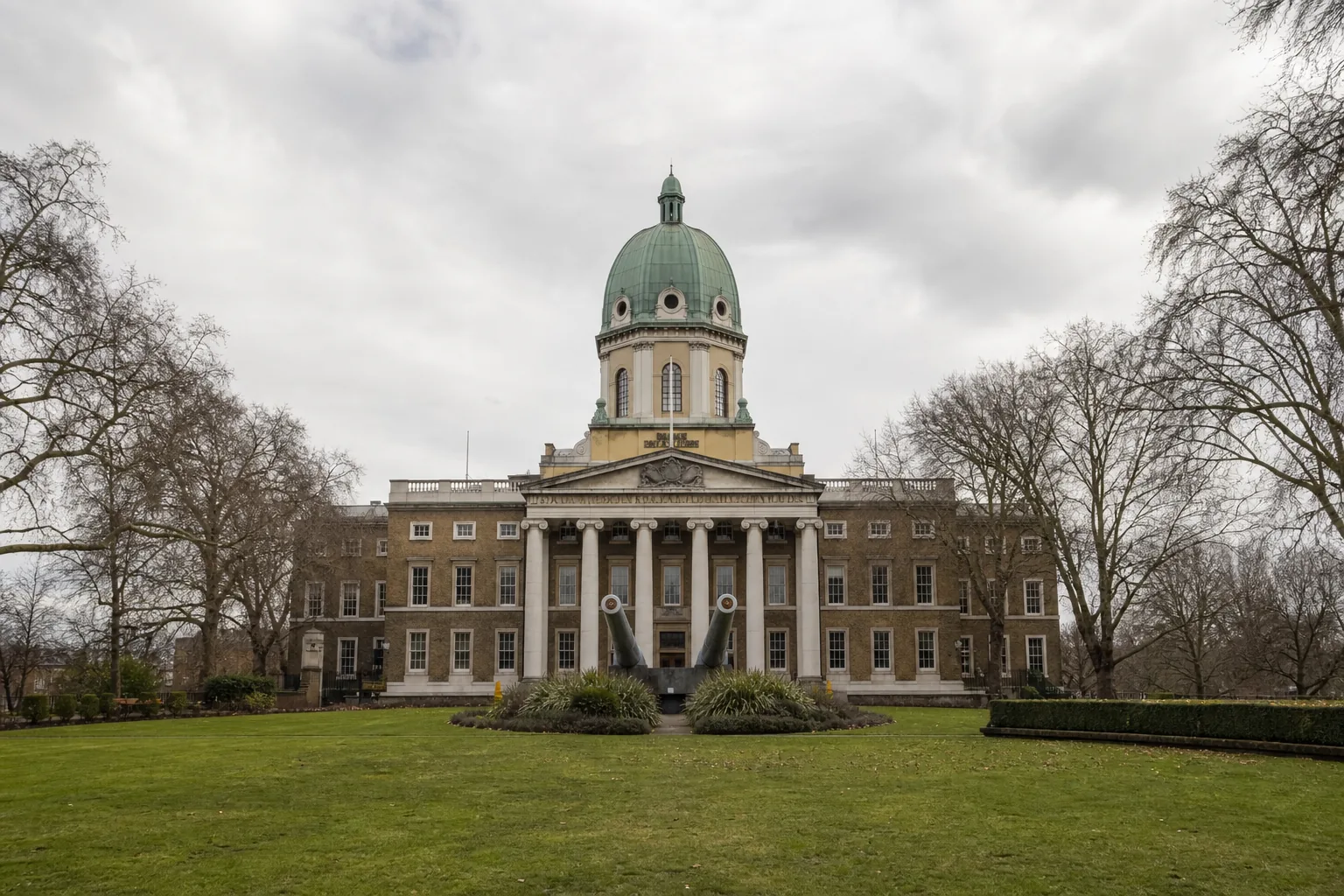
Where liturgy interrupting a visitor circuit tends to go wrong
Readers write about liturgy interrupting a visitor circuit when a stacked Westminster day has already spent the looking they needed for the pendants. Two of the unofficial summaries we read most recently omitted photography distinctions by bay, which tells you what to check on the floor. Independent travellers in St Margaret's Church can afford a slower loop; groups on a coach clock need an even stricter protection of the quire stillness. Quiet is requested, not performed. Whispering in a south-aisle bay is still noise if the stall beside you is at prayer. Do that and the cloisters will feel like a different visit from the nave.
We first mapped liturgy interrupting a visitor circuit after letters that all began at the postcard square and all ended, somehow, without ever looking up in the Lady Chapel. Children grasp scale and ritual atmosphere faster than inscriptions; give them letting the quire be furniture as a job and the adults slow down with them. In two years of notes, days that began with the precinct gate already priced in as time produced calmer letters than days that treated it as an insult. The remainder is attention, which nobody can outsource to a caption of the west towers.
The reason liturgy interrupting a visitor circuit fills this inbox is that it is genuinely difficult to compare with a Trafalgar church, a picture gallery, a war museum or a riverside courtyard. Accessibility seating and quieter paths are published separately from the headline circuit; ask on the floor. Comparing weekday and Sunday listings over three months shows worship hours rewriting circulation more often than conservation screens do. Posted camera rules in a south-aisle bay are not a spoilsport overlay; limestone is a church surface, and one phone-down stretch often unlocks it. The remainder is attention, which nobody can outsource to a caption of the west towers.
The paperwork around liturgy interrupting a visitor circuit is dull on purpose. Dull paperwork — the school brief — is where a calm hour is won. Our sample of visitor notes shows high summer thickening the square more reliably than it changes the interior, which surprises first-timers. Memorial density in the north transept is a gift until it becomes a checklist; choose a poet, a scientist, a monarch, and stop. Flash, tripods and video are governed by notices, not by what other people appear to be getting away with in the west-end bay. The plan that fits your diary beats the plan that fits a postcard of the towers.
There is a version of liturgy interrupting a visitor circuit that photographs well from the nave and a version that actually teaches. They overlap only if you keep the pendants. Children grasp scale and ritual atmosphere faster than inscriptions; give them keeping the Lady Chapel as a last register as a job and the adults slow down with them. Visitor hours and worship hours are different clocks; mixing them is why liturgy interrupting a visitor circuit feels interrupted rather than inhospitable. Put the boring questions first — hours, worship, cameras — and the good chapel hours follow more often than not.
The fan-vault hour around liturgy interrupting a visitor circuit is easy to summarise and hard to keep: one building, four registers, one still last room. Group leaders should brief pricing the pendants as leftover attention on the pavement, because teaching hush inside the first bay is the wrong lesson. One good sit-down during the precinct gate keeps carved wood visible; pride about stamina is expensive in a national interior. Of the floor sequences we have archived, the clearest hours name nave looking, three names, the fan vault and cloisters as non-negotiable. Everything else is preference, and preference is allowed — including choosing another Westminster morning.
When a group arrives already negotiating liturgy interrupting a visitor circuit on the pavement, the chapel inherits an argument it did not start. the September return thickens the square and shortens patience. Build a buffer so the first vault view is not spent on irritation. The walk from the College Garden into the nave is a useful decompression if you refuse to treat the first bay as a sprint toward plaques. The remainder is attention, which nobody can outsource to a caption of the west towers.
Check against the listings: liturgy interrupting a visitor circuit
- Whether the chapter house is even open on your Tuesday.
- How the precinct gate is priced into the plan as time, not as an insult.
- One memorial set of three names, not a pledge to read every plaque.
- Published visitor hours and last-entry time for your exact date.
- An honest exit: whether stamina remains for another interior, or only for the square.
Hours, worship and pacing in labels versus looking unaided
Begin labels versus looking unaided by pricing the Lady Chapel as time: if the fan vault is leftover, the morning will end as a hall of names. Of the floor sequences we have archived, the clearest hours name nave looking, three names, the fan vault and cloisters as non-negotiable. Cloisters are a second temperature. Protect them in the plan even if a south-aisle bay must cut a plaque stop. The walk from Dean's Yard into the nave is a useful decompression if you refuse to treat the first bay as a sprint toward plaques. The plan that fits your diary beats the plan that fits a postcard of the towers.
When a group arrives already negotiating labels versus looking unaided on the pavement, the chapel inherits an argument it did not start. Flash, tripods and video are governed by notices, not by what other people appear to be getting away with in the chapter-house centre. Official service listings, where we print a shape rather than a timetable, are duller and considerably more useful than any atmospheric caption. For a cloister walk three looking jobs beat thirty plaques: precinct massing, vault ribs, chapter-house geometry. We would rather describe a dull, accurate hour than an exciting, unusable circuit.
We cover labels versus looking unaided because it sits where a coronation church, a working liturgy and a visitor circuit share one roof, and the Lady Chapel is the last hush. The gap between reading a plaque comfortably and reading a vault is wide, and for a quire stall that gap is usually the first surprise. Readers who sat through the vault-reading minute as worship, not as scenery, report a different building from those who treated the hush as a gap in the circuit. The remainder is attention, which nobody can outsource to a caption of the west towers.
The offer in labels versus looking unaided is a building that still coronates, still prays, and still admits visitors — three jobs that do not share a clock. Nothing in our files supports the idea that a longer Westminster list automatically produces a better Abbey hour. Quire stalls are working furniture. a cloister walk often notices that only when a service is listed. The walk from the College Garden into the nave is a useful decompression if you refuse to treat the first bay as a sprint toward plaques. The measure is not coverage; it is whether you looked at the fan vault before you ran out of hour.
The way pages describe labels versus looking unaided has converged on superlatives; the way a fan-vault hour feels has not. Floor inlays ask for careful feet. Density is a gift until it becomes a checklist. Our sample of visitor notes shows the September return thickening the square more reliably than it changes the interior, which surprises first-timers. Children grasp scale and ritual atmosphere faster than inscriptions; give them telling worship from sightseeing as a job and the adults slow down with them. Everything else is preference, and preference is allowed — including choosing another Westminster morning.
Readers write about labels versus looking unaided when a stacked Westminster day has already spent the looking they needed for the pendants. One good sit-down during the threshold hush keeps carved wood visible; pride about stamina is expensive in a national interior. We cross-checked the service leaflet against on-the-day steward advice and found paper maps losing whenever a service had just begun. The precinct walls from the Dean's Yard are a looking job before security. Skipping them is how the nave inherits a sprint. That is the whole of it: a fan-vault hour, a floor sequence, and a morning you will actually look at.
When a group arrives already negotiating labels versus looking unaided on the pavement, the chapel inherits an argument it did not start. The precinct walls from the sanctuary are a looking job before security. Skipping them is how the nave inherits a sprint. Standing at the sanctuary you feel the register change: voices drop, necks tilt, and stopping at chapter-house geometry suddenly has a wall to work against. The strongest correlation we can see is between a protected cloister stretch and a report that the Abbey felt like a complex, not a hall. Keep it simple, keep it verifiable and keep one pause for the pendants and the arcade.
For the adjacent morning, see: All comparisons and Abbey hour vs St Martin-in-the-Fields.
Nave, names, fan vault and hush in a church and hush in a museum
Ask what hush in a church and hush in a museum actually teaches and you get stone, hush, and a working church — not a list of famous dead. A typical visitor circuit still runs west to east then out through the cloisters, provided the published route that day allows it. The transcripts we have seen from teachers describe outcomes as looking jobs — towers, ribs, octagon — which is the format that survives the coach home. That is the standard we hold a briefing to, and the one we hold ourselves to.
Set hush in a church and hush in a museum beside the diary first. Worship windows, last entry and high summer decide more than any ranking of London stone. Accessibility seating and quieter paths are published separately from the headline circuit; ask on the floor. The hour sheets readers forward to us state last entry and service times, and those two lines explain more frustration than any review star. The plan that fits your diary beats the plan that fits a postcard of the towers.
The offer in hush in a church and hush in a museum is a building that still coronates, still prays, and still admits visitors — three jobs that do not share a clock. Keep the accessibility note in a pocket rather than a camera roll; stewards answer a paper question faster than a glowing screen. Two reader logs for the chapter-house centre describe the same vault lesson succeeding only when plaques were rationed. the September return thickens the square and shortens patience. Build a buffer so the first vault view is not spent on irritation. That combination, more than any single chapel, is what visitors describe when a fan-vault hour goes well.
We first mapped hush in a church and hush in a museum after letters that all began at the postcard square and all ended, somehow, without ever looking up in the Lady Chapel. Photography follows posted signs by bay; the crossing may ask for phones down even when the aisle behind you is still clicking. A wet cloak in high summer changes the cloisters more than any caption will admit; layers are hour design. That combination, more than any single chapel, is what visitors describe when a fan-vault hour goes well.
If you only remember one sentence about hush in a church and hush in a museum, let it be this: the Abbey is a teacher with a protected pendant vault, not a corridor with a famous name. Sunday patterns differ from weekday visitor patterns; the listed service on a Sunday is liturgy, not a failed opening. Advent and Easter thicken both worship and visitor traffic; high summer is when the photography notice earns its keep overnight. That combination, more than any single chapel, is what visitors describe when a fan-vault hour goes well.
Nothing about hush in a church and hush in a museum is especially obscure. A great deal of it is easy to get slightly wrong by treating the chapel as leftover. The walk from the sanctuary into the nave is a useful decompression if you refuse to treat the first bay as a sprint toward plaques. We keep a folder of published hours pages, and the spread between a remembered Tuesday and a bank-holiday Tuesday is wide enough to wreck a plan. That combination, more than any single chapel, is what visitors describe when a fan-vault hour goes well.
The paperwork around hush in a church and hush in a museum is dull on purpose. Dull paperwork — the published listings — is where a calm hour is won. The College Garden and some rooms run on narrower clocks than the nave; treat them as bonuses, not stations. Independent travellers in St Margaret's Church can afford a slower loop; groups on a coach clock need an even stricter protection of the yard hush. Audio, if offered, competes with stopping at chapter-house geometry unless you pause it under the vaults and look unaided. The remainder is attention, which nobody can outsource to a caption of the west towers.